
1121 Sella Basmati Rice: The Complete Guide for Importers & Bulk Buyers
Factory-direct sourcing, export-grade specifications, and everything international buyers need to know before placing a bulk order.
Visit himmathfoodstuff.com →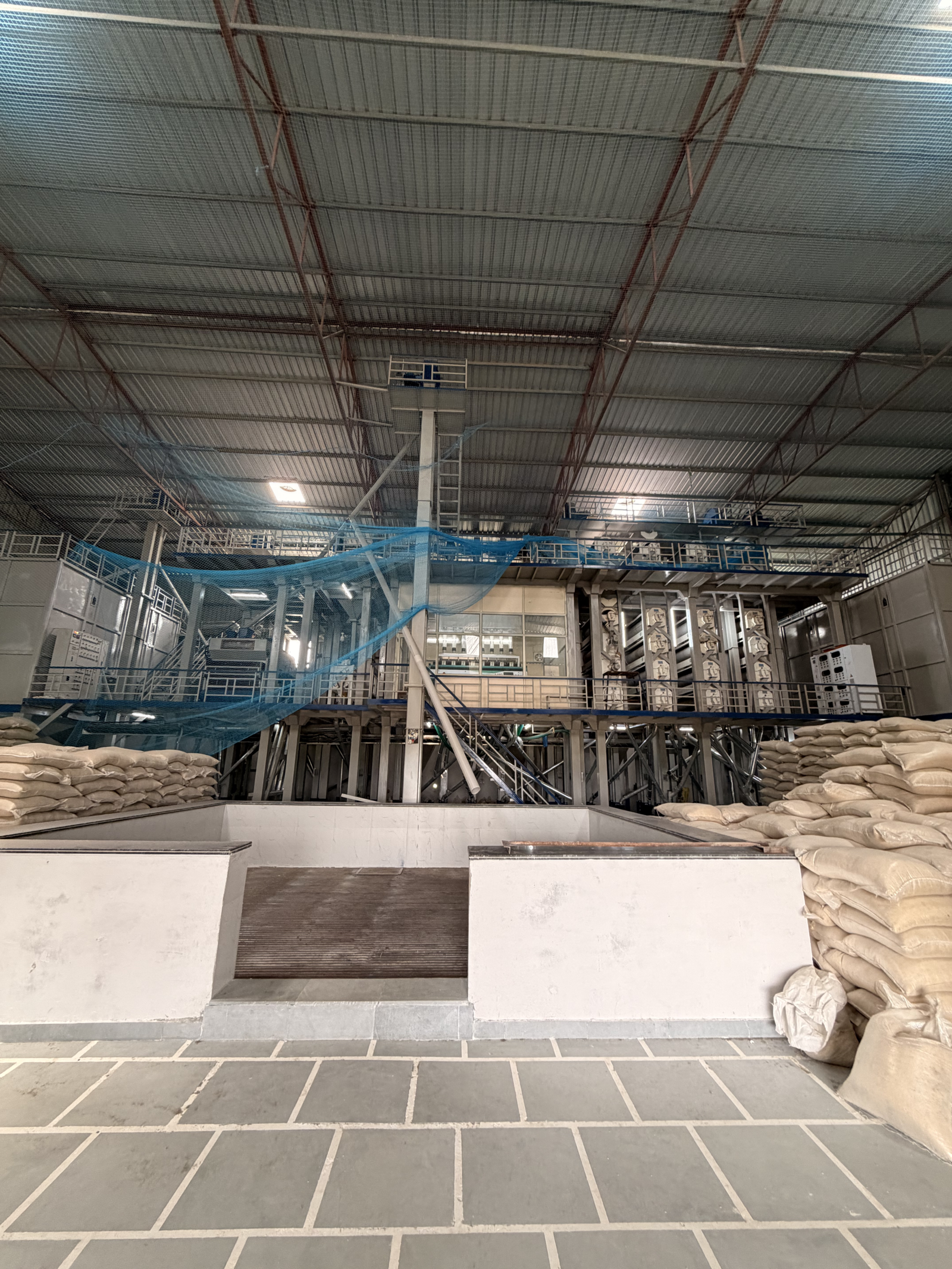
Looking for a reliable 1121 Sella Basmati Rice exporter? If you're sourcing basmati rice for import, catering supply, or retail distribution, you've likely come across the term 1121 Sella Basmati Rice. It's one of the most traded basmati varieties in the world — and one of the most misunderstood, since "Sella," "Golden Sella," "Steam," and "Raw" get used interchangeably by buyers unsure of what actually separates them.
This guide breaks down what 1121 Sella Basmati Rice is, how it's made, why importers across Africa and the Middle East prefer it for bulk orders, and what to check before choosing a 1121 Sella Basmati Rice exporter — written from the perspective of an actual manufacturer, Himmath Foodstuff Trading LLC, not a trading middleman. For official variety and export-policy details, you can also cross-check specifications against APEDA's official Basmati Rice page.
What Is 1121 Sella Basmati Rice?
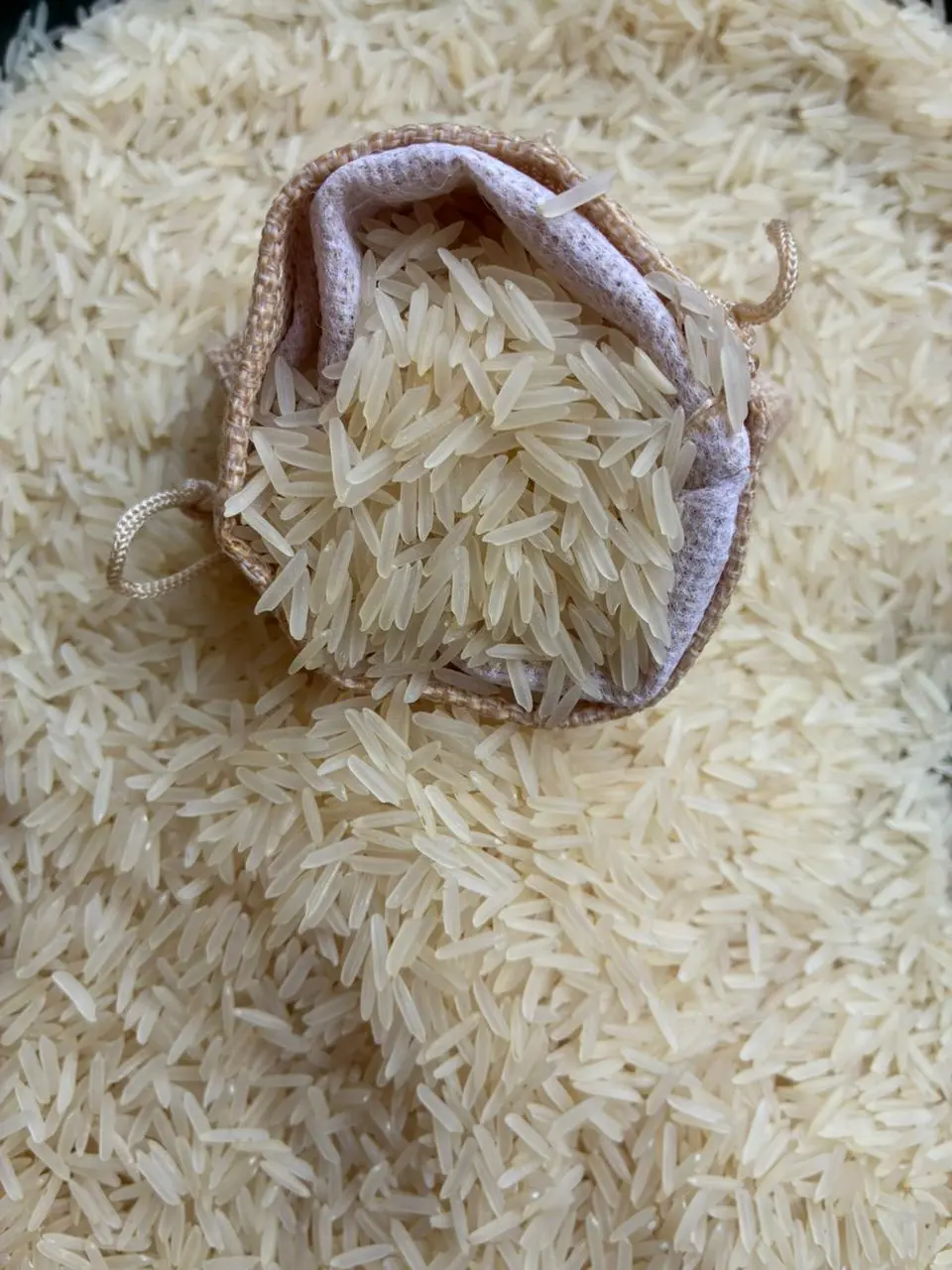
1121 Sella is a parboiled version of 1121 Basmati, one of the longest-grain basmati varieties grown in India. "1121" refers to the specific basmati cultivar — bred to produce extra-long, slender grains with strong natural aroma. "Sella" refers to the processing method: paddy is soaked, steamed, and dried before milling, rather than milled straight from raw paddy.
The Parboiling Process, Simplified
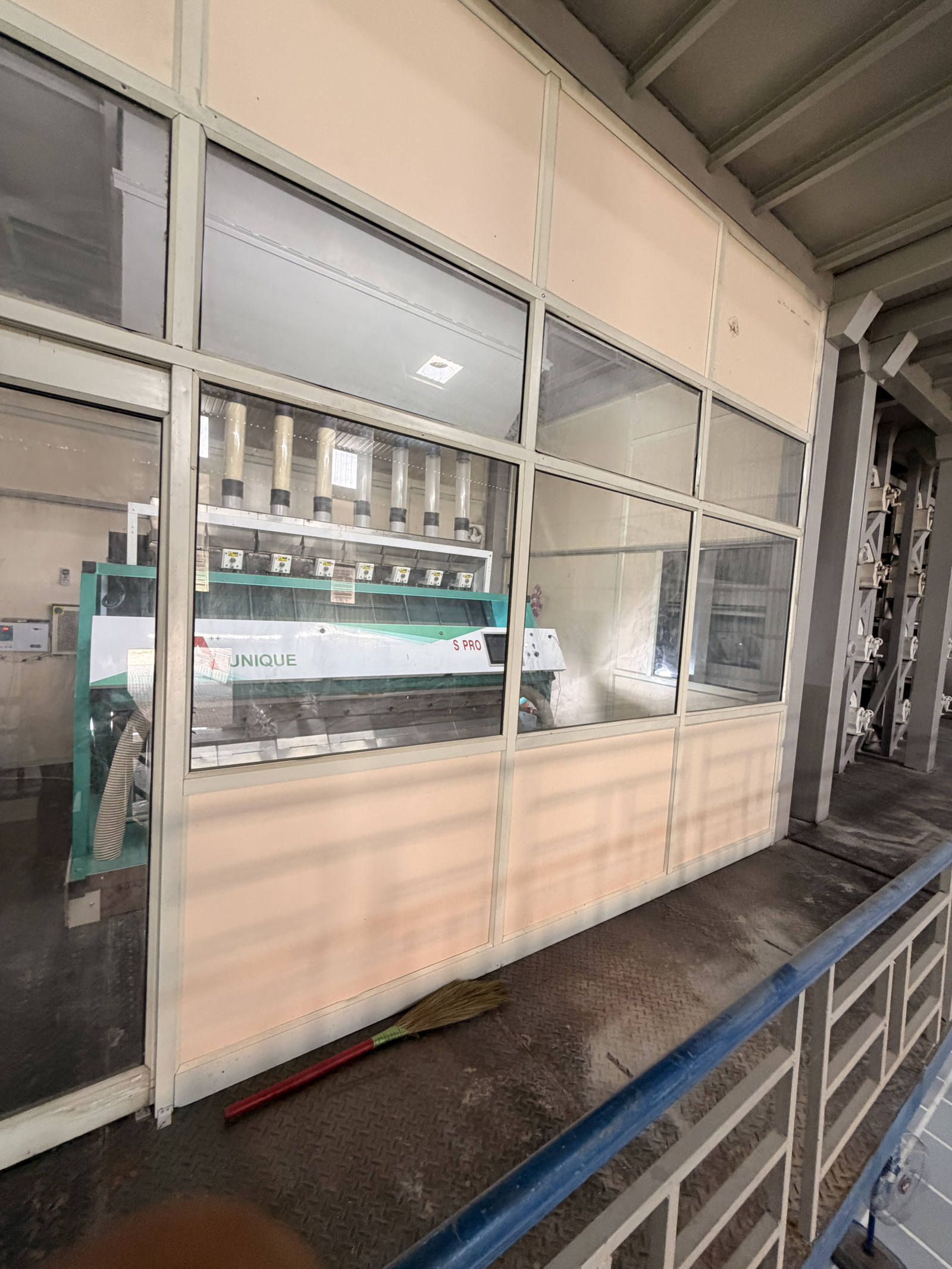
- Soaking — Raw paddy is soaked in water to raise its moisture content evenly.
- Steaming — The soaked paddy is steamed under controlled pressure, pushing nutrients from the husk and bran into the grain.
- Drying — Steamed paddy is dried back to a safe moisture level for milling and storage.
- Milling — Only then is the rice milled, polished, and graded.
The result is a grain that's harder, slightly golden in tone, and structurally more resistant to breakage — which matters enormously across a container shipment, not just a kilo bag on a store shelf.
1121 Sella vs. Raw vs. Golden Sella
| Feature | 1121 Raw (White) | 1121 Sella | 1121 Golden Sella |
|---|---|---|---|
| Processing | No parboiling | Light parboiling | Intense, longer parboiling |
| Color | Pure white | Light golden tint | Deeper amber/golden |
| Grain hardness | Softer | Firm | Firmest |
| Best for | Retail, home cooking | Restaurants, catering, bulk export | Premium biryani, long-hold cooking |
| Shelf life | Standard | Longer | Longest |
For buyers building a private label or supplying restaurants and caterers, 1121 Sella is usually the sweet spot — most of the durability of Golden Sella, without the deeper color and stronger parboiled note not every market wants.
Why 1121 Sella Dominates Export Order Books
- Grain length — Export-grade 1121 Sella runs 8.3mm and above before cooking, extending significantly once cooked.
- Breakage resistance — Parboiling hardens the grain, so it survives long sea freight and repeated handling far better than raw basmati.
- Performance under heat — Grains hold shape on steam tables and through reheating — critical for foodservice buyers.
- Nutrient retention — Steaming pushes bran-layer nutrients into the grain itself.
- Consistent yield — Lower breakage means more whole grains per batch, which affects your landed cost per usable kilo.
Key Quality Specifications to Check
Before finalizing any bulk basmati order, request a written specification sheet covering:
Also confirm purity/admixture percentage, aflatoxin and pesticide residue reports, and packaging options (PP bags, jute bags, vacuum packs, or bulk container loading). A supplier who hesitates to share this documentation is usually reselling stock, not manufacturing it.
How to Choose the Right 1121 Sella Basmati Rice Exporter
Most listings for a "1121 Sella Basmati Rice exporter" online are trading companies — they buy finished stock from mills and resell it with a markup, often blending batches from multiple sources.
Himmath Foodstuff Trading LLC — Factory-Direct Sourcing
We own and operate our own processing facility in India, which changes the sourcing equation in three concrete ways:
(1) no middleman markup between the mill and your invoice,
(2) full traceability — we control soaking, steaming, drying, and milling ourselves, and
(3) consistent batch quality for repeat orders, shipment after shipment.
Export Experience: Serving Buyers Across Africa
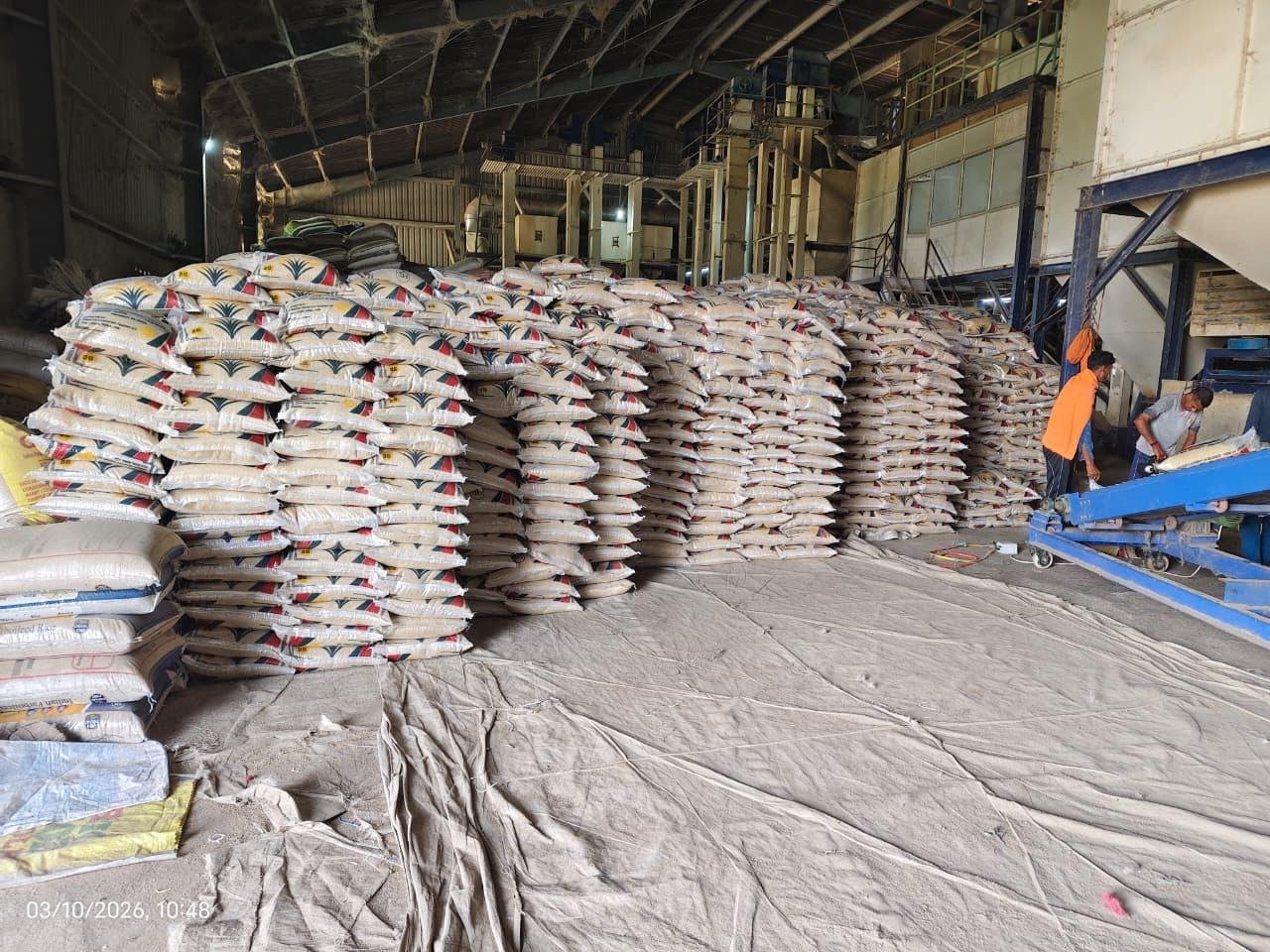
Himmath Foodstuff Trading LLC currently exports to buyers across West and East Africa, working with importers, wholesalers, and food distribution businesses who need reliable volume, consistent quality, and dependable shipping timelines.
Questions worth asking any exporter before you commit:
- Can they support your required container size (20ft / 40ft / part-load)?
- What are typical production-to-shipment lead times?
- Do they provide full export documentation — Bill of Lading, Certificate of Origin, Phytosanitary Certificate, commercial invoice?
- Can they customize packaging and private labeling for your market?
Common Uses for 1121 Sella Basmati Rice
- Biryani — the single biggest demand driver in Middle Eastern and East African markets
- Pulao and pilaf-style dishes
- Catering and buffet service, where rice needs to hold texture for hours
- Retail repackaging under private label brands
- Institutional and hospitality supply — hotels, airlines, cruise catering
Frequently Asked Questions
What does "Sella" mean in basmati rice?
Sella refers to the parboiling process — soaking, steaming, and drying paddy before milling — not a separate rice variety. 1121 Sella is 1121 basmati paddy that has been parboiled.
Is 1121 Sella the same as Golden Sella?
No. Golden Sella undergoes a longer, more intense parboiling process, giving it a deeper golden color and firmer grain than standard Sella.
How long is the grain length of 1121 Sella Basmati Rice?
Export-grade 1121 Sella typically measures 8.3mm or longer before cooking, extending substantially after cooking — one of the longest grain lengths of any commercial basmati variety.
Why do restaurants prefer Sella over raw basmati?
Parboiled grains hold their shape and firmness even when held on steam tables or reheated, unlike raw basmati, which can turn soft or sticky.
What packaging options are available for bulk export?
Standard export packaging includes PP woven bags, jute bags, and vacuum-sealed retail packs, with full container load (FCL) options for large orders.
Ready to Source 1121 Sella Basmati Rice Direct From the Factory?
As a 1121 Sella Basmati Rice exporter with our own India-based processing facility, we provide specification sheets, sample requests, and FOB pricing tailored to your order volume. Browse our full product range or reach out directly.
Get in Touch →